Not Your Belichick Patriots: Gonzalez Signs $135M Extension, Becomes NFL’s Highest-Paid Cornerback

In New England, accusing a team owner of being cheap is practically a local pastime. Talk radio sometimes goes through phases where they talk about that more than what happens on the field.
Red Sox fans have spent years accusing John Henry of pinching pennies, particularly when homegrown stars such as Mookie Betts and Xander Bogaerts were allowed to leave. Ownership has also become a punchline whenever reports surface that the Red Sox “were in” on a marquee free agent—Juan Soto being the most prominent recent example—only to watch that player sign somewhere else.
Bruins fans of an earlier generation spent decades directing the same criticism at Jeremy Jacobs and longtime general manager Harry Sinden.
And now, barely a year into Bill Chisholm’s ownership of the Celtics, there are fans speculating whether money played too large a role in the decision to trade Jaylen Brown.
Then there is Robert Kraft.
For years, particularly toward the end of the Bill Belichick era, Kraft has been fallen under that same umbrella: cheap.
The longer Christian Gonzalez’s contract situation dragged on this summer, the louder that criticism became.
Why haven’t they paid him yet?
Why are they playing games with one of the best young cornerbacks in football?
Are they more focused on profits than winning championships?
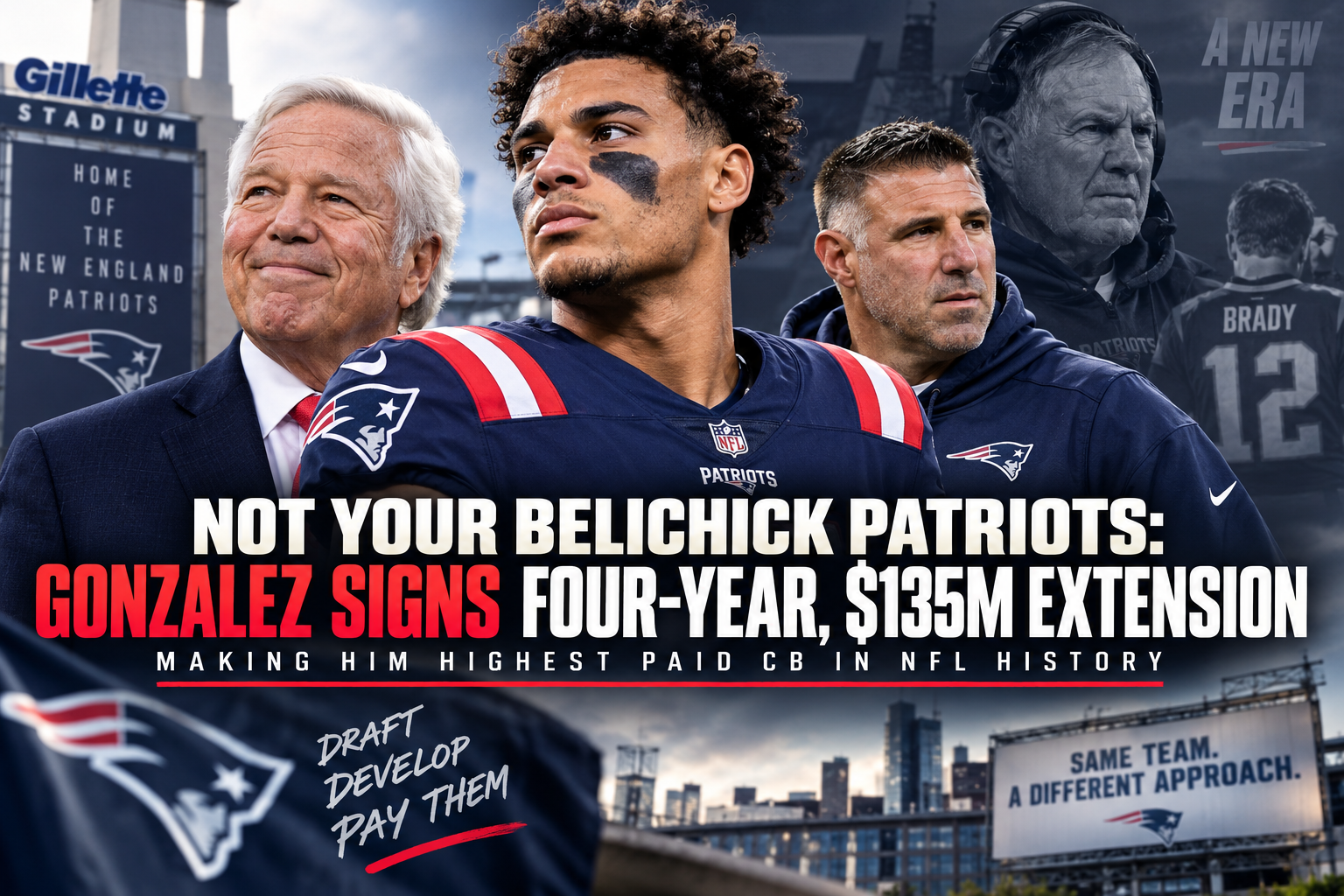
Then came Tuesday: four years, $135 million, $102 million guaranteed, and the richest contract ever given to an NFL cornerback. And maybe it is time to revisit a question Patriots fans should have been asking all along: Was Robert Kraft really the cheap one during the Belichick ers—or was it Belichick?
Christian Gonzalez’s new contract is another reason to ask whether that label was ever aimed at the right person.
At $33.75 million per year, Gonzalez is now the highest-paid cornerback in NFL history. This isn’t Belichick shopping in the bargain bins, waiting for the market to come down or asking one of its stars to take less for the privilege of playing for him and the Patriots.
You know, the Patriot Way.
This is different.
The idea that Kraft has always been unwilling to spend just doesn't hold water. Kraft officially bought the Patriots in January 1994 after refusing a $75 million offer to break the Foxboro Stadium lease and clear the way for then-owner James Orthwein to move the franchise to St. Louis. Kraft instead bought the team and kept it in New England.
Thank you, Mr. Kraft!
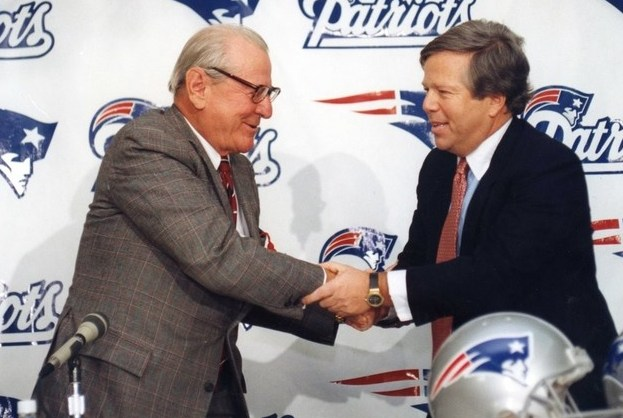
Kraft did not hire Bill Parcells. Kraft took on a team being rebuilt by one of the premier coaching names in football—and one of the biggest personalities the NFL had ever seen.
During those early years, Kraft was still getting his feet wet and learning everything that came with owning an NFL franchise. That meant far more than simply opening a checkbook (remember those?).
He had to learn how to manage a demanding and outspoken head coach, negotiate multimillion-dollar contracts with players' agents, manipulate the salary cap, handle stadium leases and real estate issues, oversee ticketing and concessions, negotiate television and media relationships, work with sponsors and other NFL owners, and ultimately turn a moribund franchise into a viable business.
At the same time, he had to learn where an owner’s authority should end and where the football people’s should begin.
And with Parcells, that last part would quickly become the biggest issue of all.
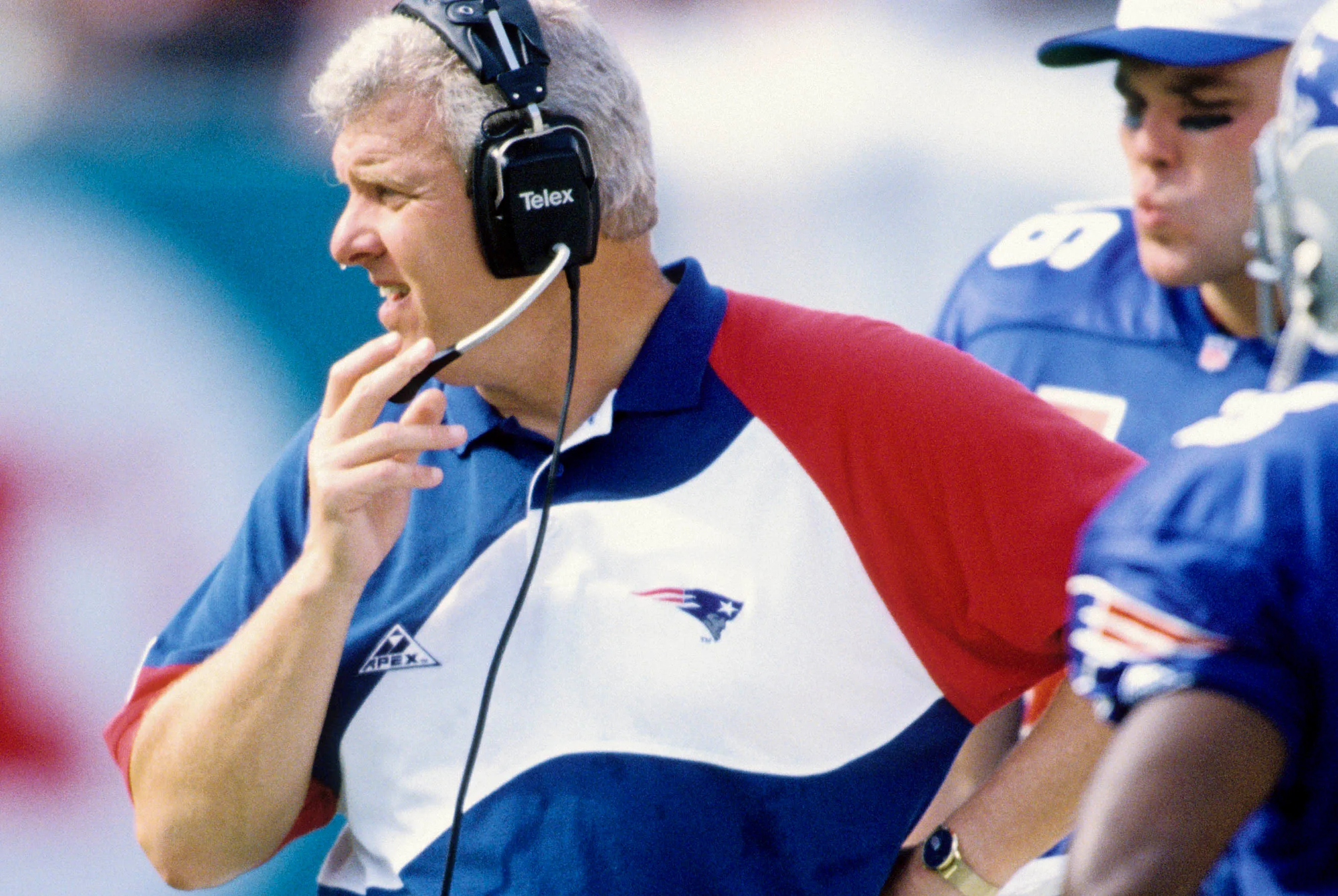
Parcells famously explained his eventual split with New England by saying, “If they want you to cook the dinner, at least they ought to let you shop for some of the groceries.” He wanted greater control over personnel.
Kraft thought differently. In those early years, he felt there should be a clear delegation of authority. The head coach coaches the team on the field. The general manager is in charge of personnel.
By the late 1990s, Kraft begin investing big-time in players his front office viewed as the core of the franchise.
Willie McGinest re-signed for five years and $25 million in February 1998.
Ted Johnson received a five-year, $25 million extension six months later.
Ty Law signed a seven-year, $50 million deal in 1999 that included the largest signing bonus in franchise history at the time.
Lawyer Milloy followed with a seven-year, $35 million contract in February 2000 that made him the highest-paid safety in football.
Then came Drew Bledsoe.
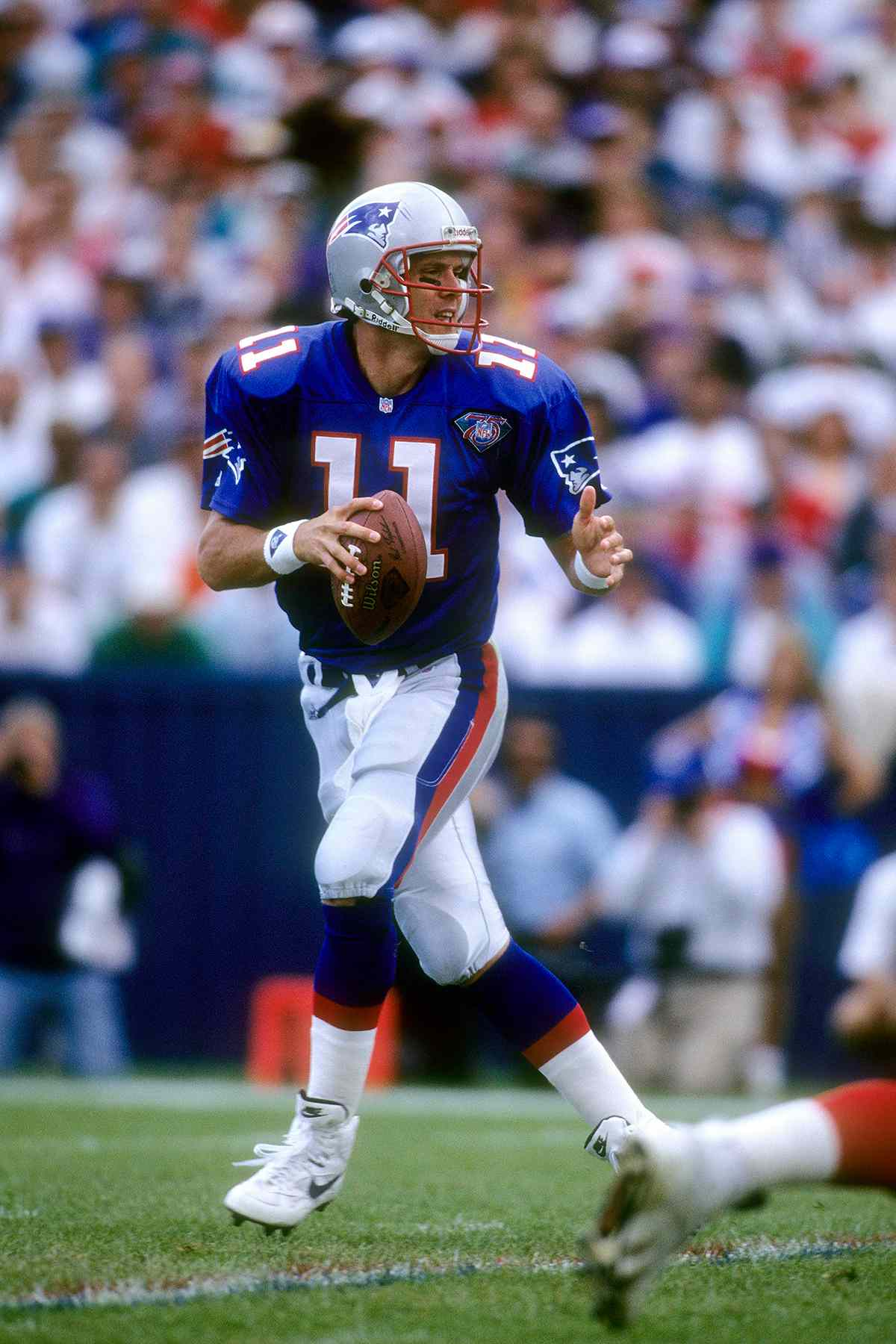
In March 2001, the Patriots gave their franchise quarterback a 10-year, $103 million contract that was, at the time, as the largest contract in NFL history.
Yup, $10 million per year was the most ever given an NFL player in 2001.
No one accused Kraft of being cheap at that time. In fact, some may have ridiculed him for spewing money around too carelessly—almost like Oprah Winfrey telling a studio audience, "You get a 5-year, $25 million contract. You get a 5-year, $25 million contract, and you get a 5-year, $25 million contract. Everyone gets a 5-year, $25 million contract."
That all changed when Bill Belichick arrived in 2000.
Belichick became not just the head coach but the Patriots’ de facto general manager and final football authority. It was the only way he would have agreed to come to New England.
Kraft himself made that point after he and Belichick parted ways following the 2023 season. He said Belichick had control over virtually every football decision—including the draft and how much money the team spent—and that ownership supported him.
That matters when discussing the Patriots’ reputation for being cheap.
Belichick’s philosophy was built around value. He rarely wanted to pay a player based on past performance. He wanted to pay for what he believed the player would produce next, and he was usually willing to let someone else overpay rather than partake in a bidding war.
There were exceptions. Tom Brady’s 2010 extension made him the highest-paid player in the NFL. Logan Mankins became the league’s highest-paid interior offensive lineman in 2011, and Rob Gronkowski’s 2012 extension made him the highest-paid tight end at the time. So it would be inaccurate to say the Belichick Patriots never reset a market.
But those deals became the exceptions rather than the rule.
Brady became the clearest example of the larger philosophy. For years, his contracts were frequently described as "team-friendly," and he repeatedly restructured deals to create flexibility for the Patriots to strengthen the rest of the roster.
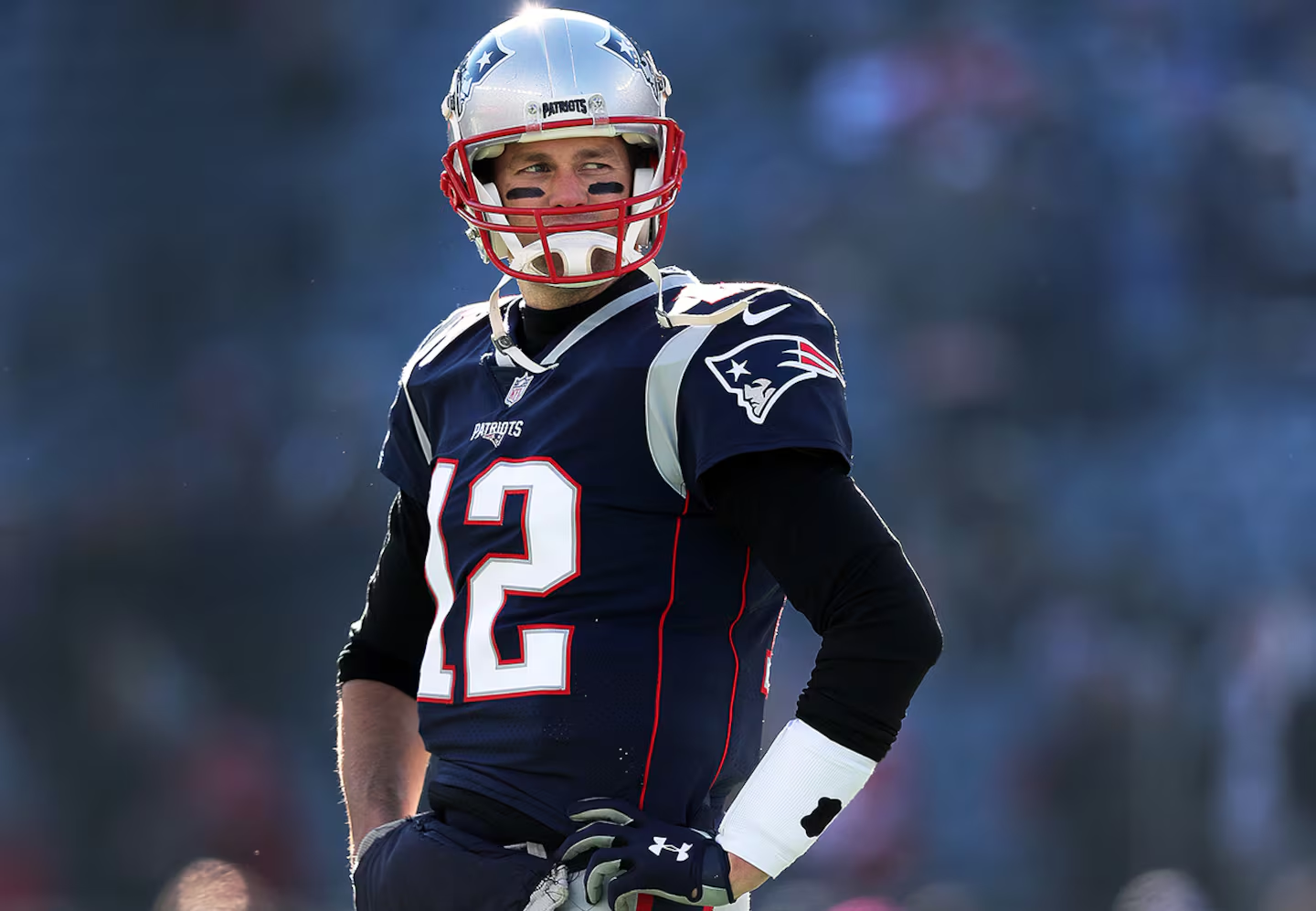
When he finally reached unrestricted free agency in 2020, New England was reportedly willing to pay him as much annually as Tampa Bay, but only wanted to guarantee one year.
Belichick thought Brady was nearing the end of the road. Many believed that's why he drafted Jimmy Garapollo.
Tampa guaranteed two years and $50 million to Brady.
Brady left. Tampa won the Super Bowl immediately.
Was that Robert Kraft being cheap? Or was it Belichick's ego and his ultimate decision?
The post-Belichick Patriots are beginning to provide an answer.
When Mike Vrabel arrived in 2025, New England had too many roster holes to fill through one draft. So the Patriots spent aggressively in free agency, handing out more than $360 million in contracts and adding players such as Milton Williams, Robert Spillane, Carlton Davis, Harold Landry and Stefon Diggs.
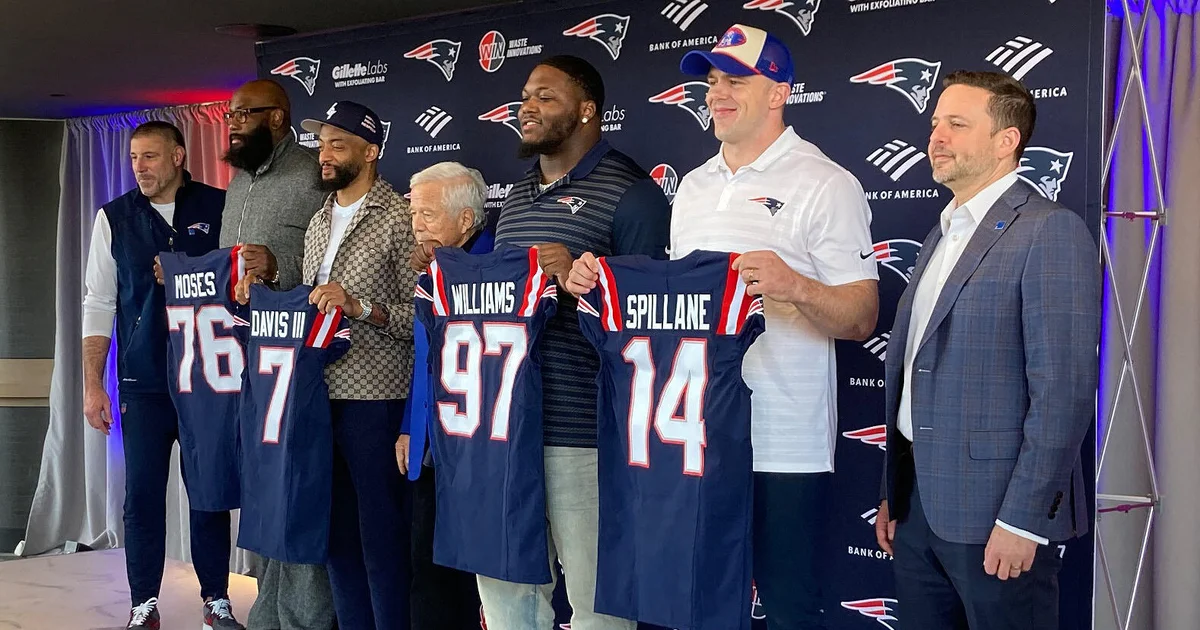
Vrabel and Eliot Wolf used free agency in their first year to bridge the gap while they began revamping the roster.
But free agency isn't their preferred model of team building.
Vrabel has been clear about that. “The draft has to be the cornerstone of the team,” he said this offseason. His philosophy is to draft players who fit the program, develop them and then retain the ones who prove they belong.
That is what makes the Gonzalez contract so significant.
Gonzalez is not some free-agent mercenary like Darrelle Revis or Stephon Gilmore, brought in for a year or two, and paid handsomely to plug a hole in the dike.
He is a Patriots first-round draft pick who has developed into one of the best cornerbacks in the NFL. More importantly, he is a foundational piece of what New England wants to do defensively.
His ability to essentially take away one side of the field allows the Patriots to do more things elsewhere—bring extra pressure, blitz an extra safety, roll coverage toward a secondary receiver, or provide help over-the-top to a weaker defensive back.
Players with that kind of impact don’t just fall out of a tree. When you find one, you need to find a way to keep them.
That represents a change in the Patriots model going forward.
I think we will be starting to see a shift away from signing "big name" free agents like Milton Williams, or trading for them—like A.J. Brown—and now a focus on keeping players they have developed.
Gonzalez is first.
Drake Maye will be next.
Will Campbell will be the year after that.
As Vrabel gets more of his own players on the roster, the need for expensive outside free agents should decrease.
Draft them. Develop them. Pay them.
From the poker movie "Rounders," one my favorite lines ever from any movie, done by the great John Malkovich: "Pay him. Pay that man his money."
For two decades, the Patriots were built around Belichick’s relentless search for value.
It produced six championships and one of the greatest dynastical runs in sports history, so criticizing that philosophy without acknowledging the results would be ignorant.
Of course, it also helped that Belichick had the greatest quarterback in NFL history covering up more than a few personnel mistakes along the way.
But that was Belichick’s philosophy.
The Gonzalez deal is the clearest sign yet that Mike Vrabel is drawing a firm line between the way Belichick built the Patriots and the way he intends to build them going forward.
I never want to hear Vrabel casually lumped into the “Belichick coaching tree” again. Vrabel may have played for Belichick, but the philosophy he is establishing in New England is all his own.
And one last thing. I can't say it enough!