Week 1 Overreactions: What Patriots Super Bowl Seasons Teach Us

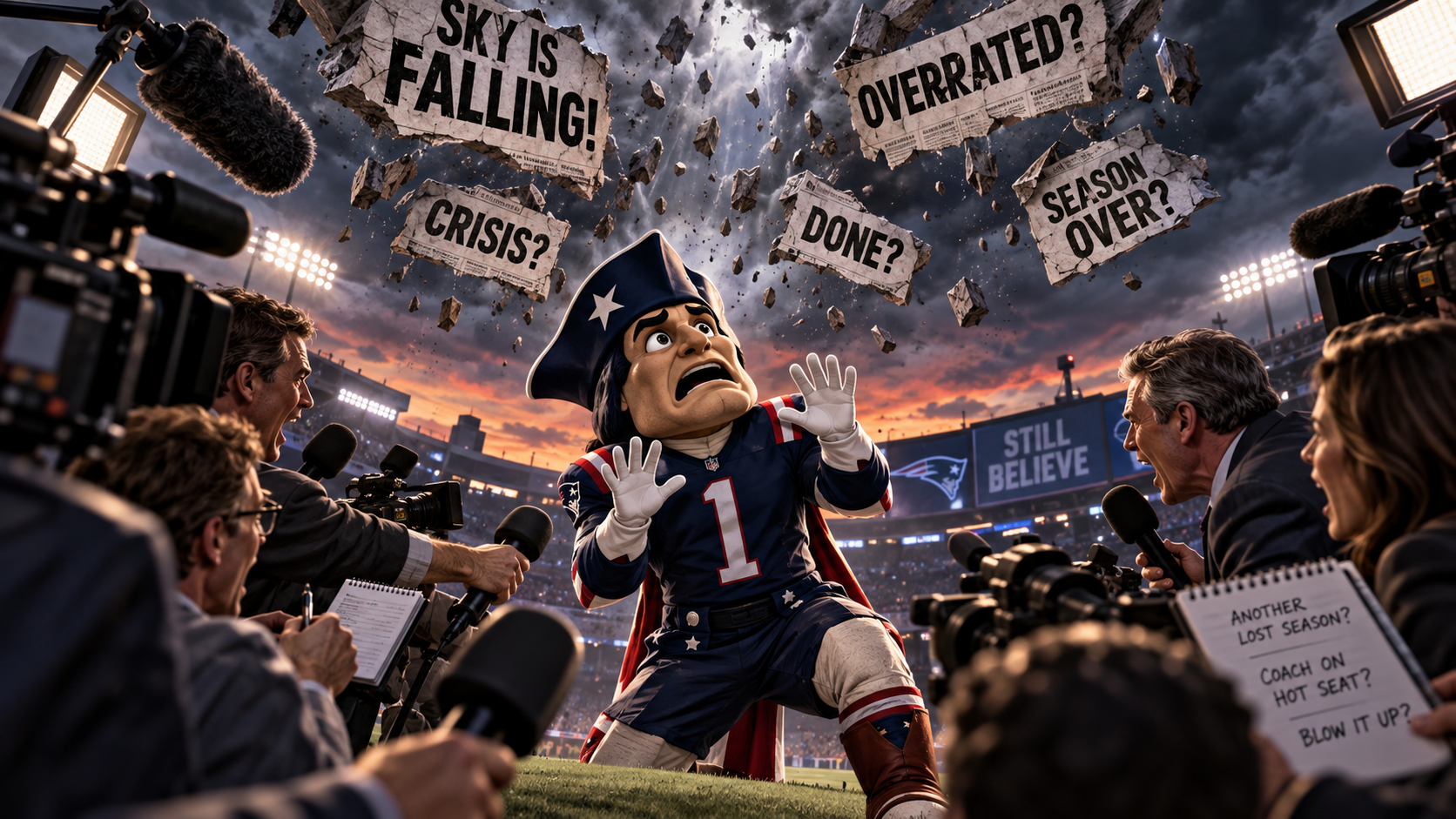
Welcome to Boston, where you are only as good as your last game.
In the span of one game, Drake Maye went from an MVP contender to having fans and members of the media questioning whether the Patriots should continue building their future around him.
That is the life of a starting quarterback in the NFL, particularly in New England. Particularly after your team made it to the Super Bowl the year before. Particularly after you finished second in MVP voting.
The bar has been raised.
The Patriots and Drake Maye did not come close to reaching that bar in their season opener.
Not even close.
That doesn't mean the season is over. Not by any stretch. But we also can't ignore the fact that New England blew a 10–0 third-quarter lead and Maye threw three interceptions in the fourth quarter.
The truth, for now, lies somewhere in between.
And so does the blame.
The Patriots' loss does not fall entirely on Maye. Nor does it fall entirely on Josh McDaniels. I have a lot more to say about that another day.
What I will say now is that I think much of the blame falls on Mike Vrabel. McDaniels is running the offense Vrabel wants—physical, careful with the football and built to control games.
Is McDaniels just following orders?
If McDaniels wants to keep his job, he does. Or else maybe Vrabel will pull a Ron Meyer. More on that later.
But those are the questions worth asking instead of making sweeping declarations based on one game. Or even one quarter.
Patriots history should have taught us that by now.
New England has reached the Super Bowl 12 times, beginning with the 1985 team that played in Super Bowl XX. Looking back at how those teams began their seasons is a useful reminder of how little we really know after Week 1. Some openers produced optimism. Some produced panic. And plenty left fans and media looking foolish six months later.
1985 — Patriots 26, Packers 20
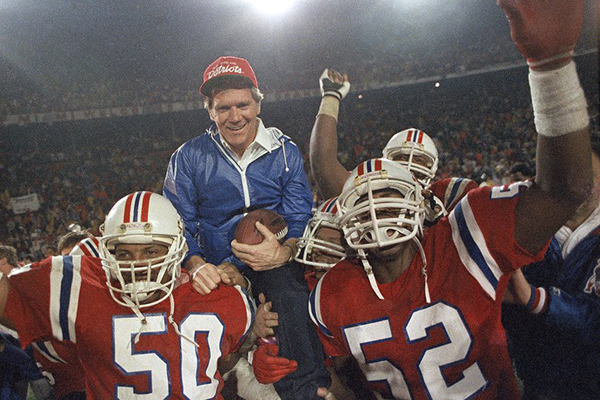
The first Patriots team to reach a Super Bowl opened with a win, beating Lynn Dickey, Hall of Famer James Lofton and the Packers 26–20 at Sullivan Stadium.
Green Bay had finished 8–8 the year before and New England 9–7. The Patriots had fired Ron Meyer midway through the 1984 season despite a 5–3 record and replaced him with Raymond Berry after Meyer alienated players and coaches and fired defensive coordinator Rod Rust without consulting management.
Berry promptly rehired Rust.
His defense immediately showed what would make that team dangerous, with Andre Tippett and Don Blackmon recording three sacks apiece.
The good feeling didn't last. New England was 3–3 when Tony Eason suffered a separated shoulder against Buffalo. Veteran Steve Grogan, neck roll and all, took over and helped spark a six-game winning streak before breaking his leg in Week 12. Eason then reclaimed the job.
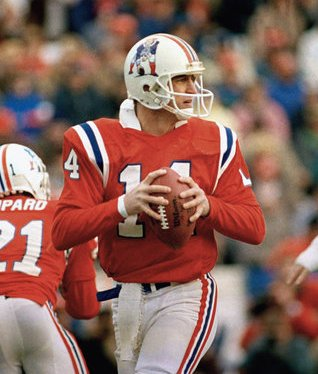
The Patriots finished 11–5 and won three straight road playoff games against the Jets, Raiders and Dolphins. The AFC Championship win in Miami was especially satisfying because New England had lost 18 straight games there.
We're not going to talk about what happened next.
Super Bowl result: Bears 46, Patriots 10.
1996 — Dolphins 24, Patriots 10
Speaking of problems winning in Miami.
The Patriots opened 1996 with a 24–10 loss to the Dolphins. Their offense turned the ball over four times.
Drew Bledsoe, the No. 1 overall pick in 1993, was entering his fourth season and coming off a rough 1995 in which he went 6–9 as a starter with 16 interceptions and 13 touchdowns.
Against Miami, he completed only 9 of 38 passes and threw two interceptions.
The next week wasn't much better. New England lost to Buffalo 17–10 and fell to 0–2. One newspaper referred to Bledsoe as "the so-called franchise quarterback."
Sound familiar?
New England responded by winning 11 of its next 14 games. Bledsoe, Curtis Martin, Terry Glenn and an improving defense helped the Patriots finish 11–5, win the AFC East and reach the franchise's second Super Bowl.
Super Bowl result: Packers 35, Patriots 21.
2001 — Bengals 23, Patriots 17
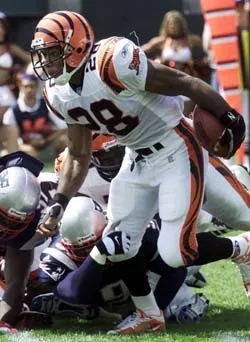
The 2001 season began with optimism. Drew Bledsoe had just received the richest contract in NFL history, and the Patriots believed they were ready to take a step forward under new head coach Bill Belichick.
Instead, they were humbled by the lowly Bengals 23–17. Cincinnati had gone 4–12 the year before, but soon-to-be-Patriot Corey Dillon ran for 104 yards, and at one point the Bengals scored on five consecutive possessions.
Things looked even worse the following week when the Patriots trailed the Jets 10–3 in the fourth quarter. That's when Mo Lewis delivered the sideline hit on Bledsoe that changed the trajectory of the franchise forever. I don't mean to make light of it; Bledsoe came frighteningly close to losing his life.
Tom Brady didn't lead a storybook comeback that day. New England lost and fell to 0–2.
There would be plenty of storybook endings to come.
The Patriots finished 11–5, won the AFC East, survived the "Tuck Rule" game in a blizzard, beat Pittsburgh in the AFC Championship Game and arrived in New Orleans as massive underdogs against the Greatest Show on Turf.
Brady's final drive set up Adam Vinatieri for the game-winning field goal as time expired—although I still believe there should have been one second left on the clock. I'm not complaining.
Super Bowl result: Patriots 20, Rams 17.
2003 — Bills 31, Patriots 0
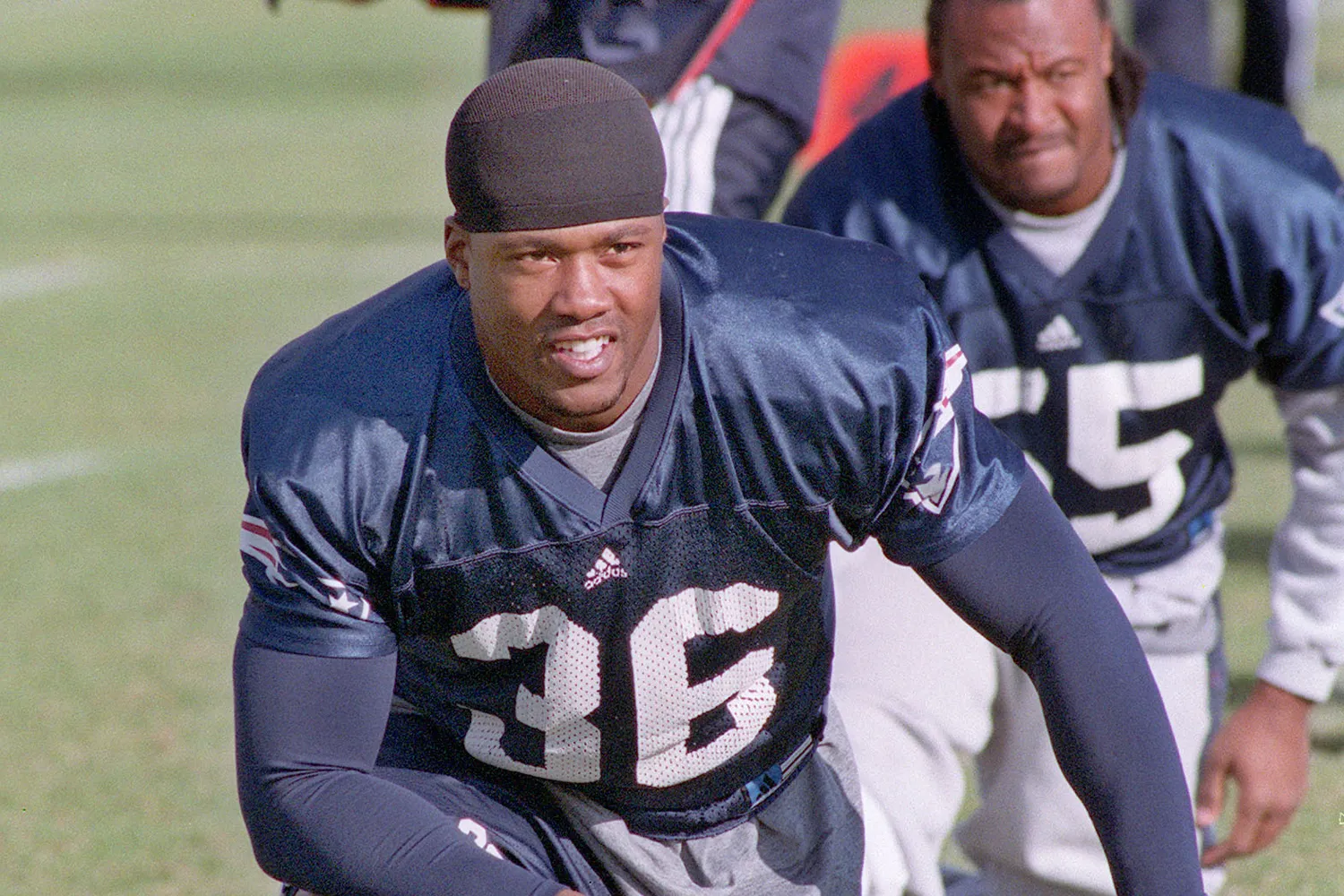
Any Patriots fan worth their salt remembers this one.
The Lawyer Milloy Game.
Bill Belichick released team captain Lawyer Milloy just days before the opener. Milloy immediately signed with Buffalo.
Then Buffalo humiliated the Patriots 31–0.
Tom Brady threw four interceptions. Milloy recorded a sack late in the second quarter with New England already trailing 21–0, and earlier he deflected a Brady pass that turned into an interception.
Afterward, ESPN's Tom Jackson delivered the infamous verdict on Belichick's relationship with his players:
"They hate their coach."
Good thing Twitter wasn't around yet.
Jackson looked foolish four months later. After falling to 2–2, New England won 15 straight games and finished 14–2. In a perfect bit of symmetry, the Patriots closed the regular season by beating the Bills by the same 31–0 that they had lost to them in the opener.
Belichick couldn't have done that on purpose, could he?
Back then, few Patriots fans would have put it past him.
Super Bowl result: Patriots 32, Panthers 29.
2004 — Patriots 27, Colts 24
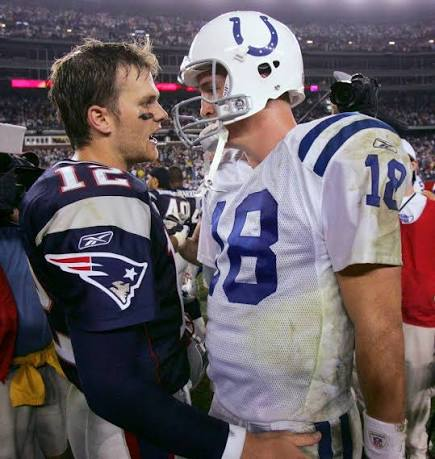
Coming off their second championship, the Patriots opened 2004 against Peyton Manning and the Colts.
This one was a thriller.
Tom Brady threw for 335 yards and three touchdowns, and Indianapolis had a chance to force overtime in the final seconds. Mike Vanderjagt, who had made 42 consecutive field goals, missed from 47 yards.
The concern was the defense, which surrendered 458 yards. Injuries eventually became so severe in the secondary that Bill Belichick used wide receiver Troy Brown at defensive back for significant stretches.
Naturally, because this was that era of Patriots football, it worked. Brown finished with three interceptions.
New England went 14–2. Its NFL-record 21-game winning streak finally ended in Week 8 when rookie Ben Roethlisberger and Pittsburgh beat the Patriots 34–20.
They would see Pittsburgh again.
And the result would be different.
Super Bowl result: Patriots 24, Eagles 21.
2007 — Patriots 38, Jets 14
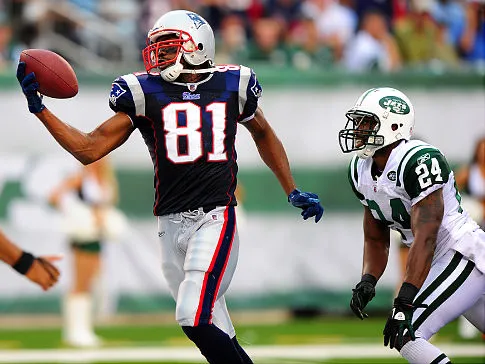
Expectations entering 2007 were sky-high.
The Patriots' lack of receiving weapons had been exposed in the previous AFC Championship loss to Indianapolis, so Bill Belichick went shopping.
Randy Moss arrived from Oakland for a fourth-round pick. Wes Welker, who had repeatedly given New England problems in Miami, came over in a trade. Donte' Stallworth joined as a free agent.
The results were ridiculous.
Moss caught 98 passes for 1,493 yards and 23 touchdowns, breaking Jerry Rice's single-season touchdown record. Welker had 112 catches for 1,175 yards and eight touchdowns. Stallworth added 46 receptions for 697 yards and three touchdowns.
And the maestro?
Tom Brady threw for 4,806 yards and an NFL-record 50 touchdowns.
The 38–14 Week 1 win over the Jets was the beginning of a 16–0 regular season.
Unfortunately, the final regular-season game against the Giants turned out to be a little too predictive of what was waiting in February.
It was the game that destroyed my love of sports.
My sports heart was broken beyond repair.
Super Bowl result: Giants 17, Patriots 14.
2011 — Patriots 38, Dolphins 24
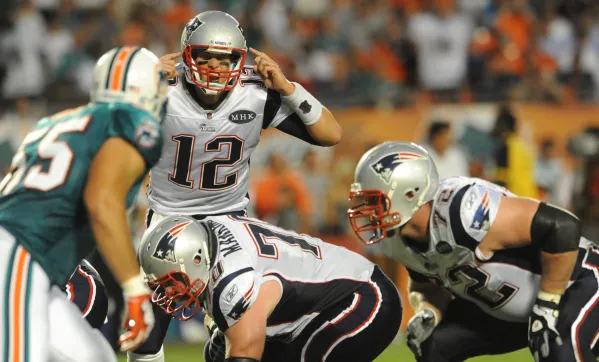
By 2011, nobody was calling Tom Brady a game manager anymore.
He absolutely torched Miami on Monday Night Football, throwing for a franchise-record 517 yards and four touchdowns, including a 99-yard touchdown pass to Wes Welker.
The Patriots offense looked unstoppable.
New England finished 13–3 and returned to the Super Bowl, but just like 2007, the fairy-tale beginning did not produce a fairy-tale ending.
Their kryptonite was waiting again: Tom Coughlin, Eli Manning and the New York Giants.
Super Bowl result: Giants 21, Patriots 17.
2014 — Dolphins 33, Patriots 20
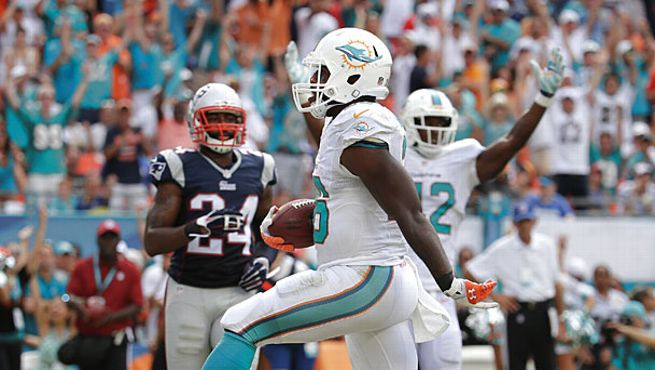
This is another one worth remembering.
New England led Miami 20–10 at halftime before completely falling apart. The Dolphins scored 23 unanswered points in the second half, rushed for 191 yards and overwhelmed a Patriots offensive line adjusting to life without Logan Mankins.
Three weeks later, things looked even worse when Kansas City embarrassed New England 41–14 on Monday Night Football.
The Patriots were 2–2. Tom Brady looked old. The offense looked broken.
Was the dynasty finally over?
ESPN's Trent Dilfer went on the air and declared:
"They're just not good anymore."
Like Tom Jackson before him, Dilfer had egg on his face four months later.
New England won 10 of its final 12 games, finished 12–4, earned the AFC's No. 1 seed and reached another Super Bowl.
It took a miraculous Malcolm Butler interception at the goal line, but the Patriots finally had championship No. 4.
If you want to call ten years "finally."
Super Bowl result: Patriots 28, Seahawks 24.
2016 — Patriots 23, Cardinals 21
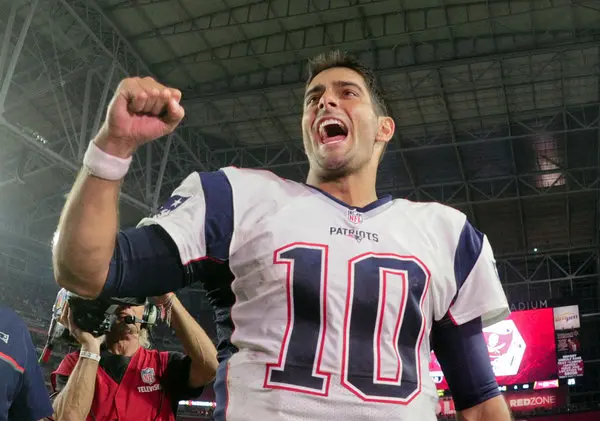
The 2016 opener came with Tom Brady serving his four-game Deflategate suspension and Rob Gronkowski sidelined by a hamstring injury.
That meant Jimmy Garoppolo, a second-round pick in 2014, was making his first NFL start.
Around that same time, ESPN's Max Kellerman delivered his infamous prediction that Brady was "just about done" and ready to "fall off a cliff."
So were we getting a glimpse of life after Brady?
Garoppolo completed 24 of 33 passes for 264 yards, didn't throw an interception and helped New England escape Arizona 23–21 after the Cardinals missed a potential winning field goal.
He played well again in Week 2 before suffering a shoulder injury. Rookie Jacoby Brissett, a third-round pick that year, was suddenly starting games himself.
By the time Brady returned in Week 5, the Patriots were 3–1.
You could almost hear Brady say, "Thank you. I'll take it from here."
New England finished 14–2 and eventually found itself down 28–3 to Atlanta in the Super Bowl.
What followed was the greatest comeback in Super Bowl history.
Super Bowl result: Patriots 34, Falcons 28 in overtime.
2017 — Chiefs 42, Patriots 27
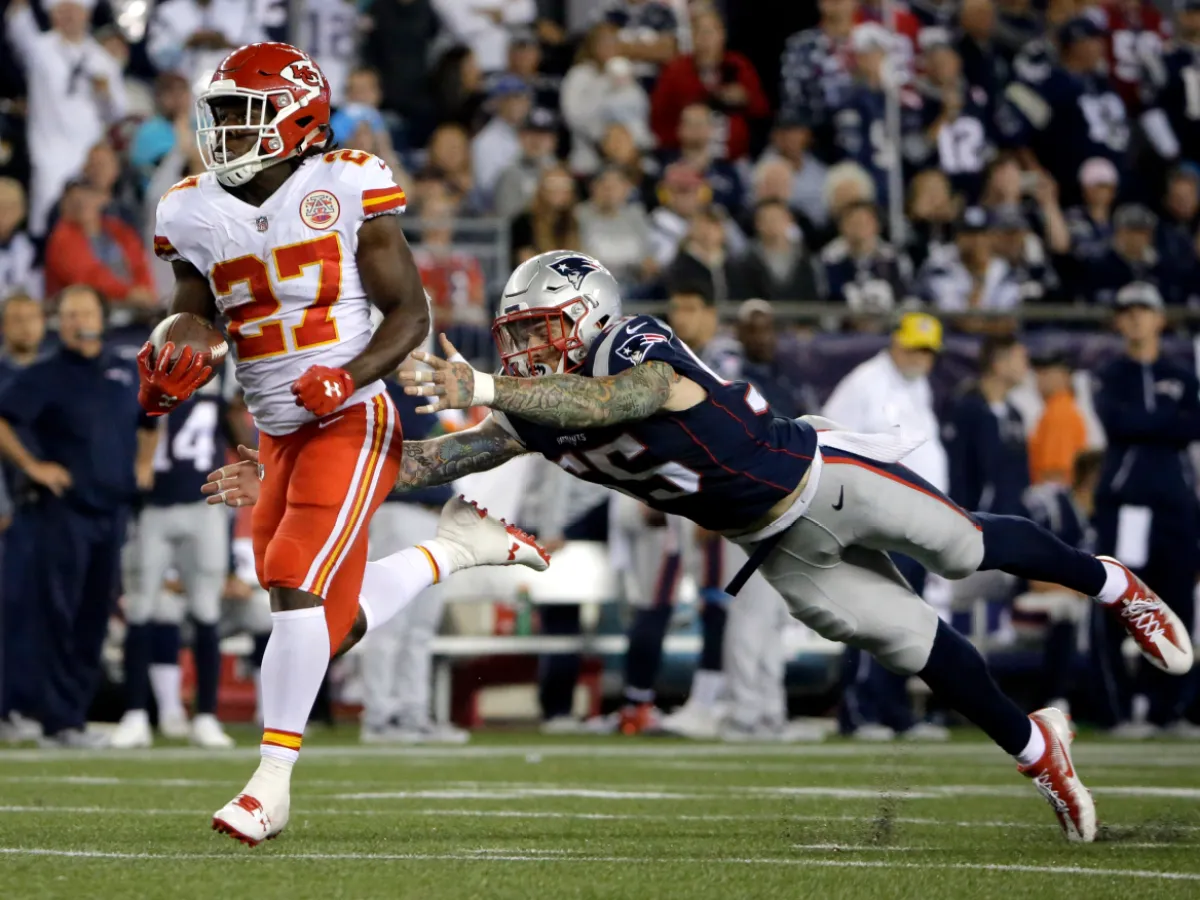
This one produced plenty of reasons to panic.
The Patriots raised their Super Bowl LI banner and then watched Kansas City ruin the celebration by scoring 42 points at Gillette Stadium.
Rookie Kareem Hunt had 246 yards from scrimmage—148 rushing and 98 receiving—and three touchdowns. A Patriots team expected to contend for another championship suddenly looked old and vulnerable.
But, again, people overreacted to Week 1.
New England finished 13–3, earned the AFC's No. 1 seed and returned to the Super Bowl for the second straight season.
Unfortunately, they ran into the buzzsaw known as Nick Foles.
Super Bowl result: Eagles 41, Patriots 33.
2018 — Patriots 27, Texans 20
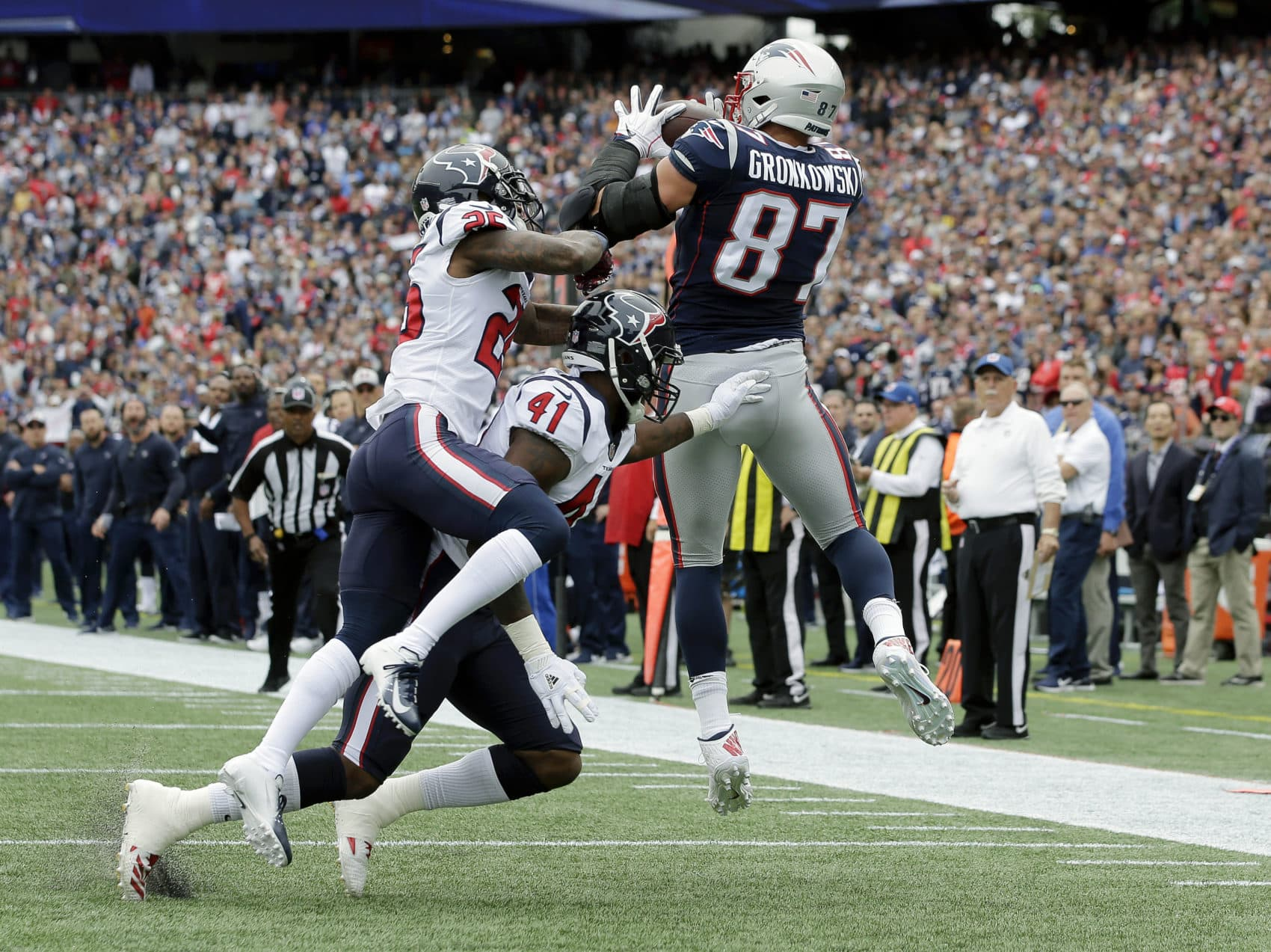
The final championship team of the Brady-Belichick era opened with a solid but hardly dominant 27–20 win over Houston.
Tom Brady threw three touchdown passes, Rob Gronkowski caught seven passes for 123 yards and a touchdown, and the defense did enough against Deshaun Watson.
But the game was sloppy. The teams combined for five turnovers and converted only six of 25 third downs.
Any confidence from the opener disappeared quickly.
New England lost its next two games, including a 26–10 embarrassment against former Patriots defensive coordinator Matt Patricia and the Lions.
At 1–2, this certainly didn't look like another championship season. Maybe Max Kellerman was just a year early on his prediction.
The Patriots finished 11–5, won an overtime thriller at Kansas City in the AFC Championship Game and then smothered Jared Goff and the Rams in the Super Bowl.
Super Bowl result: Patriots 13, Rams 3.
2025 — Raiders 20, Patriots 13
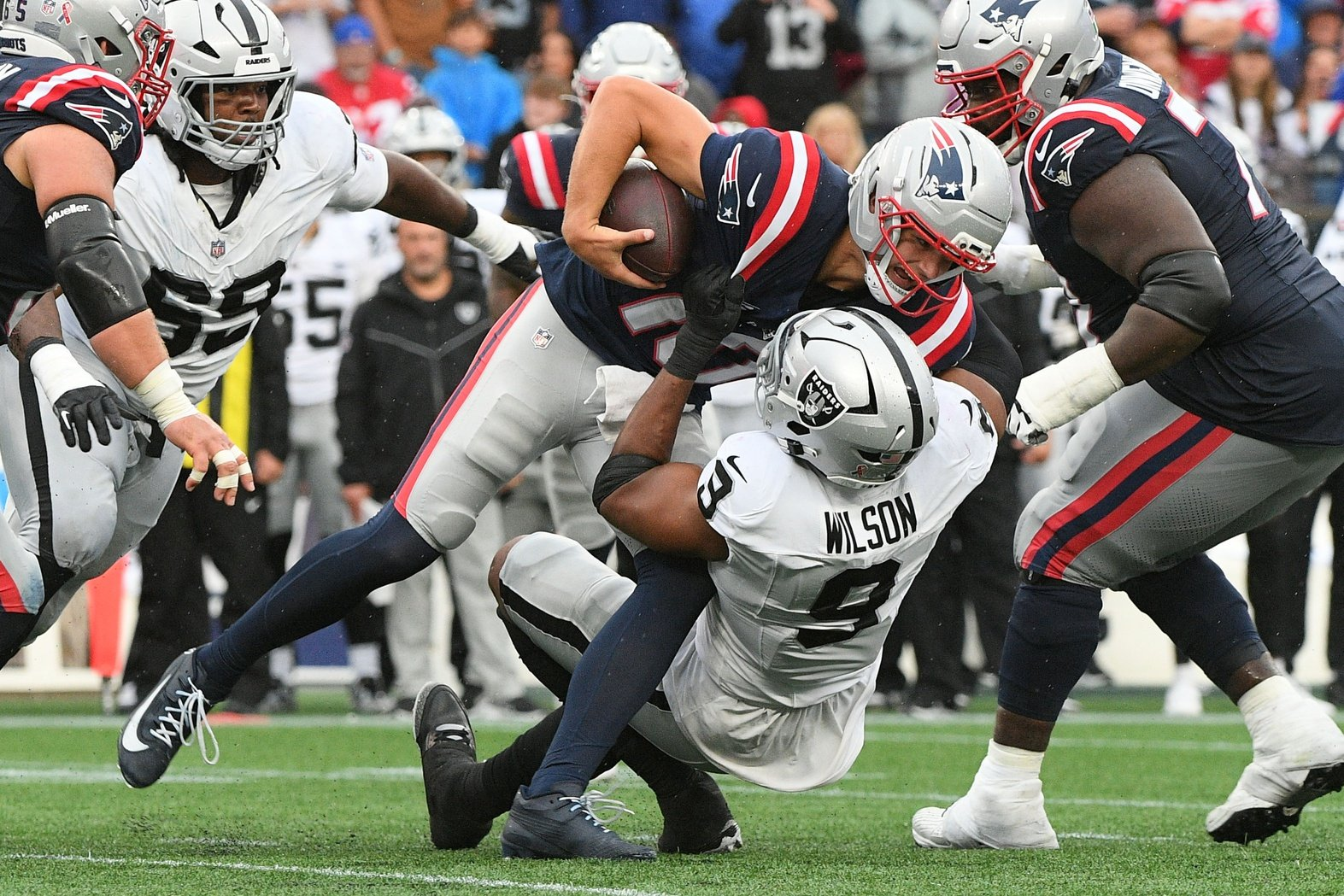
The Mike Vrabel era began with a thud.
Despite an offseason filled with optimism around Drake Maye and a rebuilt roster, New England opened at home with a 20–13 loss to Las Vegas.
Maye threw for 287 yards and a touchdown, but also had an interception. Geno Smith carved up the defense for 362 yards, the Patriots managed only 60 rushing yards, and Las Vegas outscored them 13–3 in the second half.
Dan Shaughnessy wrote afterward:
"a portion of Patriot Nation is wondering if Maye is The Guy, or just another [Mac] Jones/Tony Eason failure waiting to happen."
Ben Volin called it "a giant, soggy dud."
And at the time, it looked much more like the first year of a rebuild than the beginning of a Super Bowl season.
New England started 1–2, then lost only once more during the regular season and finished a completely unexpected 14–3. The Patriots survived the AFC playoffs and reached the Super Bowl before being outmatched by Seattle.
By then, hardly anyone cared that a Raiders team headed toward the worst record in the NFL had beaten New England in Week 1.
Final Observations
Which brings us to last Wednesday night—which still sounds weird.
If history teaches us anything, it is that season openers can tell us a little about what is coming, but they rarely tell the whole story.
After the Patriots were embarrassed 31–0 by Buffalo in the 2003 opener, Tom Jackson said, "They hate their coach." New England won the Super Bowl.
After the disastrous 41–14 loss to Kansas City in 2014 dropped the Patriots to 2–2, Trent Dilfer declared, "They're just not good anymore." New England won the Super Bowl.
And in 2016, Max Kellerman predicted Tom Brady was about to "fall off a cliff." Brady responded by winning another Super Bowl.
The Patriots have reached 12 Super Bowls. Their combined record in the season openers of those years is exactly 6–6.
If they make it back to the Super Bowl this year, I'll have to revise that record to 6–7.
That is fine with me.